In this guide
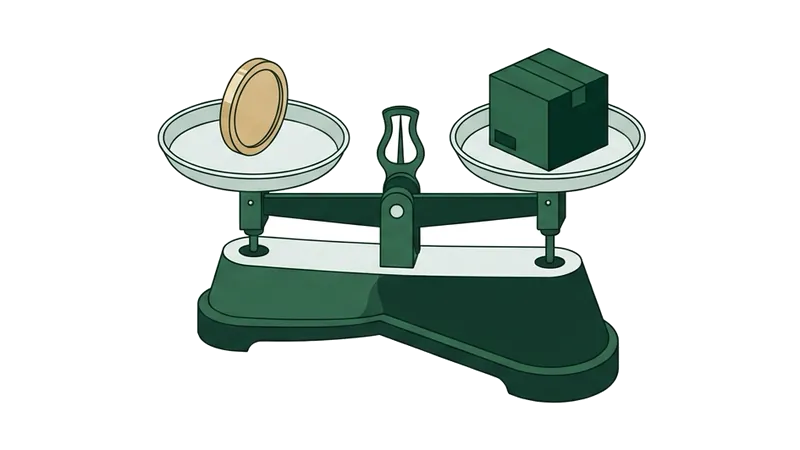
People want to try software before paying for it. How you let them try shapes everything after: who signs up, how many pay, how many support emails you get, and what your bill looks like. There are four common ways to do it, and each one fits a different kind of product.
The four options
| Option | How it works | Who it attracts | Main risk |
|---|---|---|---|
| No-card trial | Sign up, use it for 7–30 days, then choose to pay | Curious browsers and real buyers | Many never reach the result, so never pay |
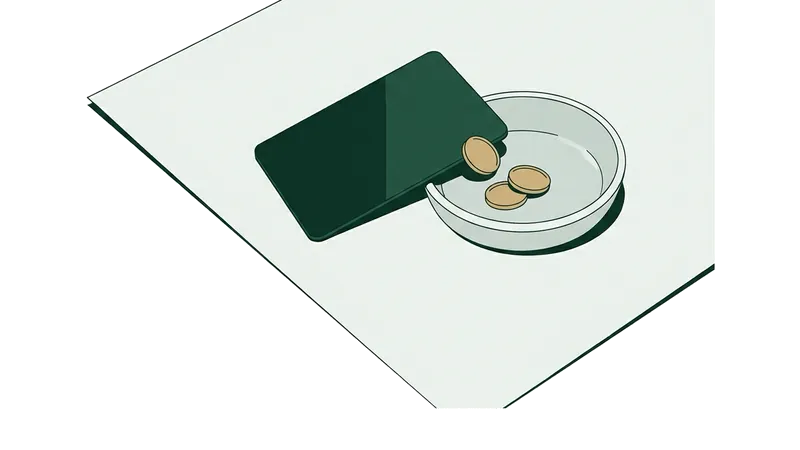
| Card-upfront trial | Enter a card, charged when the trial ends unless cancelled | People with intent | Fewer sign-ups; disputes from people who forgot |
| Free plan | Limited version free forever, paid for more | Everyone, including people who'll never pay | Costs and support for users who never convert |
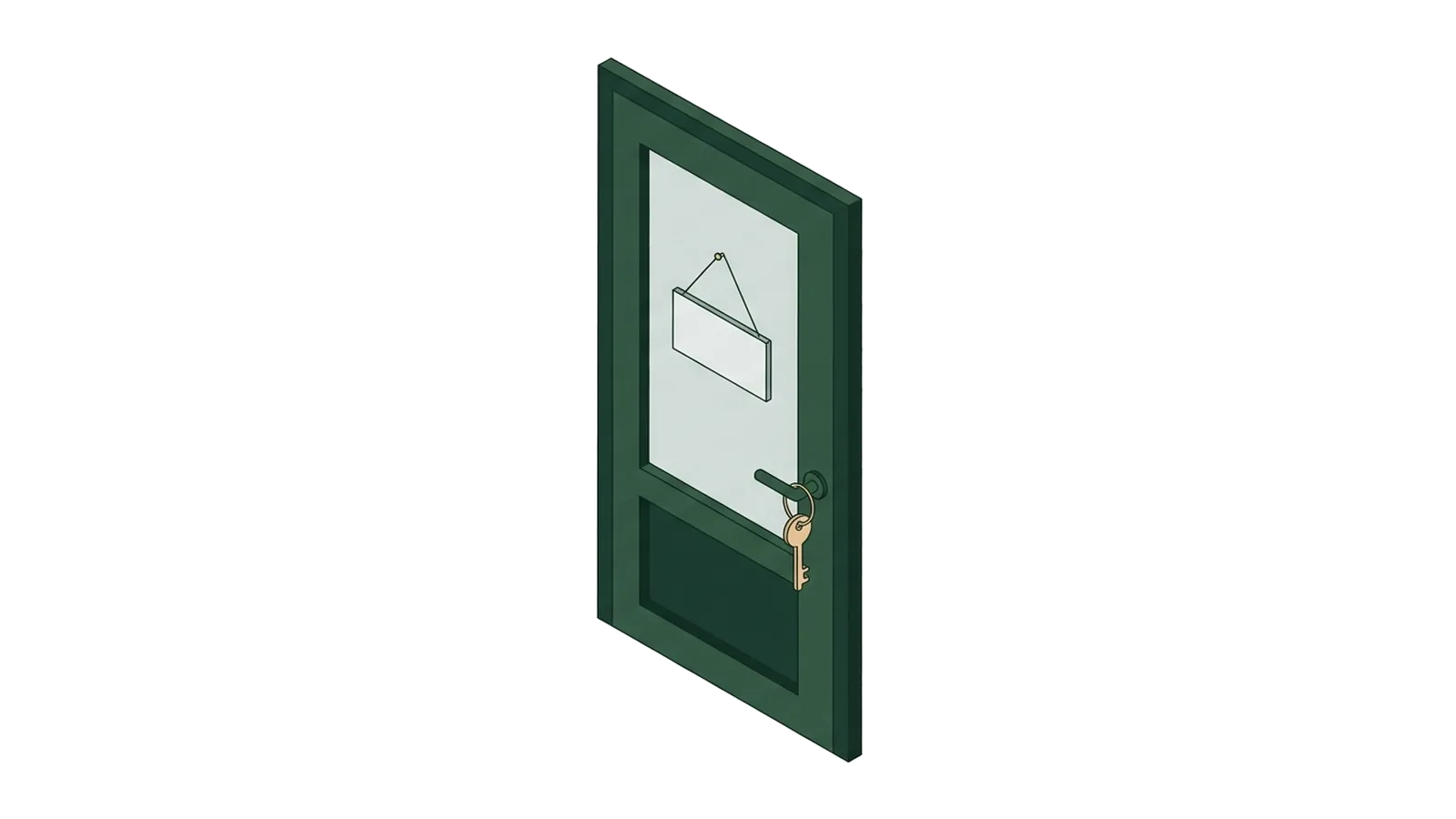
| Paid from day one | Pay to start, often with a refund promise | Committed buyers | Fewest sign-ups; needs strong trust |
The question that decides it: how fast is the first result?
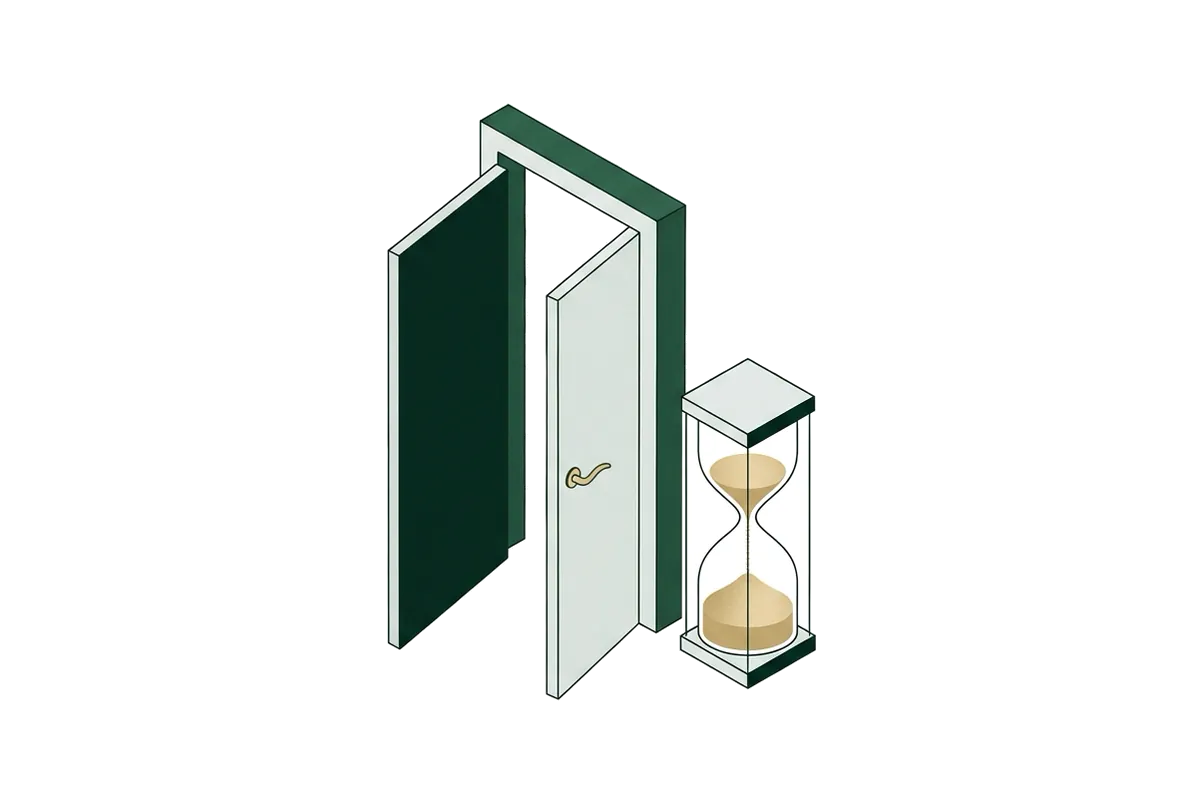
Your trial only works if people reach the moment the product proves itself before it ends. That's the most useful thing to know before choosing.
| Time to first real result | Usually fits |
|---|---|
| Minutes (upload, generate, see it work) | No-card trial or a small free plan |
| A week (first weekly reminder, first report) | 14-day trial; card optional |
| A month or more (needs data, habits, a team) | Longer trial, a guided pilot, or paid from day one with a refund promise |
Hypothetical example
A weekly reminder tool for bookkeepers proves itself on the first Thursday its reminders go out and receipts start arriving. A 7-day trial might end before that day comes round. A 14-day trial guarantees two Thursdays.
What each option costs you
- Infrastructure: trial and free users send emails, store data and use the database like paying ones. On most plans that's small, but heavy products (files, text messages, AI) can make free users expensive.
- Card fees and refunds: "charge now, refund if unhappy" loses the processing fee on every refund, because the original fees aren't returned[2]. A trial that doesn't charge until it ends avoids that.
- Disputes: card-upfront trials that renew silently invite disputes, at $15 each on a common processor[1]. A reminder email a few days before the first charge prevents most of them.
- Support: every free or trial user can write to you. That's valuable early, and a real cost later.
When a free plan makes sense
Skip the free plan when
- Each user has a real per-use cost (files, texts, AI)
- Free users wouldn't naturally grow into paid ones
- You're one person and support time is scarce
A free plan can work when
- Free users cost almost nothing to serve
- Using it spreads it (shared links, invites)
- There's a natural limit people outgrow
Remember that free users still count against your tools' limits. A database whose free tier covers 50,000 monthly active users[3] sounds like plenty until a free plan takes off, and email, storage and support grow with every free account too.
Designing a trial that converts
- Get people to the first result fast. The first session should end with something working, not an empty dashboard.
- Email at the right moments: after sign-up, when they reach the first result, and a few days before the trial ends.
- Say clearly what happens at the end: the date, the price, and how to cancel.
- Look at who didn't convert, and ask a few of them why. Usually they never reached the first result.
How to pick for your first launch
- Write down the time to the first real result.
- Write down what one non-paying user costs you per month.
- If the result is fast and users are cheap: no-card trial.
- If the result takes a week or more: 14 days, and make sure the result happens inside it.
- If users are expensive: card upfront, or paid with a refund promise.
The trial emails, written out
Hypothetical example for a 14-day trial
| When | Subject | One job |
|---|---|---|
| Right after sign-up | Add your first client | Get the one setup step done |
| Day 1, if not done | Takes about two minutes | Remove whatever's in the way; offer help |
| First result reached | Your first receipts are in | Show the value; suggest the next step |
| Day 11 | Your trial ends on Monday | Date, price, what happens, how to cancel |
| Day 15, if not converted | Anything we could have done better? | One question; learn why |
Each email asks for one action. People who reach the first result get a different email from people who didn't, because they need different things.
What to measure
- Trial to paid: the share of trials that become paying customers.
- First result rate: the share of trials that reach the first real result. This usually predicts the first number.
- Time to first result: if it's getting longer, your setup is getting heavier.
- Refunds and disputes in the first month: a sign that the end of the trial surprised people.
Trial setups that backfire
- A trial shorter than the product's natural cycle.
- Silent renewals that turn into disputes.
- A free plan that's too generous to ever outgrow.
- Measuring sign-ups instead of paid conversions.
Time how long it takes a brand-new user to reach the first real result in your product. That number decides your trial length; then set your price with pricing your first product.
Sources
Checked 14 November 2026. Numbers in brackets in the text point to these sources.