In this guide
Offering a yearly plan is one of the few pricing changes that can help you, your customers and your bill at the same time. It's also easy to do badly: too big a discount, too early, or with a refund policy nobody thought through. This guide works through the numbers and the decisions.
In brief
- "Two months free" (pay for 10, get 12) is the most common offer and the easiest to understand.
- A yearly charge pays the fixed card fee once instead of twelve times: about $4.74 less in fees per customer per year at $20.
- The bigger wins are cash up front and fewer chances to cancel. The cost is a smaller total per customer, if they'd have stayed all year anyway.
The math for a $20 product
Using a direct card processor at 2.9% + 30¢ per charge, plus 0.7% for subscription billing[1]:
| Monthly at $20 | Yearly at $200 | |
|---|---|---|
| Customer pays per year | $240 | $200 |
| Number of charges | 12 | 1 |
| Card and billing fees | $12.24 | $7.50 |
| You keep | $227.76 | $192.50 |
| Paid when | Month by month | All on day one |
On paper the monthly customer is worth more. But only if they stay all twelve months.
The break-even month
A monthly customer at $20 has to stay ten months before they've paid you more than a yearly customer paid on day one.
| Monthly customer stays | They pay | Compared with yearly ($200) |
|---|---|---|
| 3 months | $60 | Yearly is $140 better |
| 6 months | $120 | Yearly is $80 better |
| 10 months | $200 | Even |
| 12 months | $240 | Monthly is $40 better |
So the question is: how long do your monthly customers stay? Early on you won't know. That's one reason not to rush the decision, and one reason yearly plans are popular: they turn a guess into a known number.
What happens to fees
The percentage part of a card fee is the same either way. The fixed part isn't: twelve monthly charges pay 30¢ twelve times, one yearly charge pays it once.
With a merchant of record charging 5% + 50¢ per transaction[3], the gap is bigger because the fixed part is bigger: about $18 a year in monthly fees versus $10.50 on one yearly charge.
Across 30 yearly customers, a direct processor saves about $140 a year. Not life-changing, but money you keep for doing nothing.
Cash up front
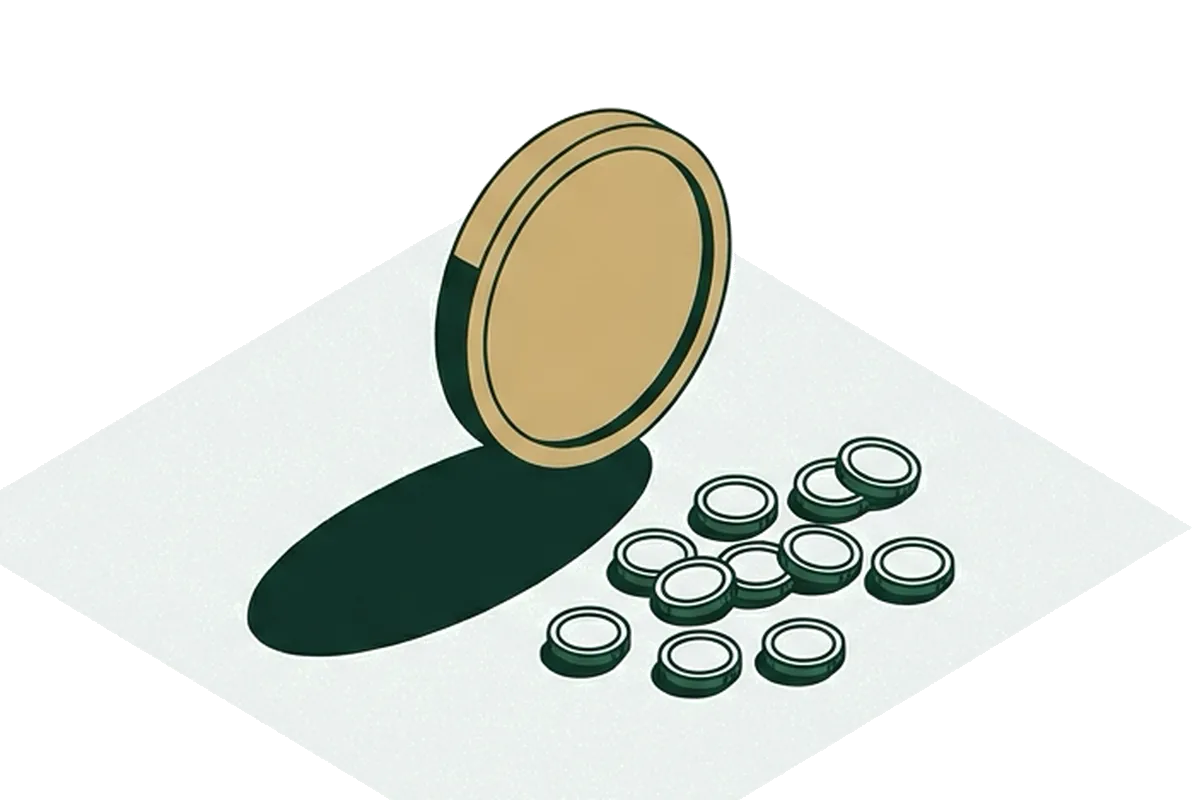
For a small product, this is the main reason to offer yearly. Thirty yearly customers at $200 put $6,000 in your account at once instead of $600 a month. That can fund a year of tools, a designer for a week, or simply the confidence to keep going through a slow quarter.
Fewer moments to cancel
Every monthly charge is a decision point. A receipt arrives, the customer remembers you exist, and some of them cancel, even ones who were getting value. A yearly customer meets that moment once a year, and has usually already decided your product is part of how they work.
The flip side: when a yearly renewal comes, it's a bigger charge to notice. Always send a reminder a week or two before, with the date and amount. It prevents surprise disputes, which cost $15 each on top of the lost sale[1].
How big a discount?
| Offer | Discount | Yearly price at $20/month | Per-month equivalent |
|---|---|---|---|
| "One month free" | 8.3% | $220 | $18.33 |
| "Two months free" | 16.7% | $200 | $16.67 |
| "Save 20%" | 20% | $192 | $16.00 |
| "Save 25%" | 25% | $180 | $15.00 |
"Two months free" is popular for a reason: it's easy to understand, the saving is meaningful, and the yearly price is a round number. Discounts above 20% start to signal that monthly is overpriced.
When to add it
Wait when
- You're still changing what the product does every week
- You have fewer than about 20 paying customers
- You aren't sure you'll keep running it for a year
Add it when
- Customers are clearly using it week after week
- Someone asks for an annual invoice
- Card fees are a large share of your bill
The easiest first batch: email existing monthly customers offering two months free for switching. The ones who say yes are telling you the product has become part of their routine.
Refund policy for yearly plans
Decide this before the first yearly sale, and write it next to the price. Common, fair options:
- Full refund within 14 or 30 days, no questions, then no refunds.
- Pro-rated refund for unused months, minus the discount they received.
- No refunds, but cancel any time and keep access until the year ends.
Whichever you choose, say it in one sentence near the button. A clear policy prevents most disputes.
How to show it on your pricing page
- Show the monthly price first, with a toggle to yearly.
- Show the yearly price as a per-month equivalent ($16.67/month) and the total billed ($200/year).
- Name the saving plainly: "two months free".
- State what happens at renewal and how refunds work, in one sentence.
Questions
Should yearly be the default on the pricing page?
For business customers, often yes. For individuals trying something new, monthly as default feels lower-risk and may convert better. Test both if you have the traffic.
Can I offer only yearly?
You can, but it raises the barrier to trying your product. Most small products do better with monthly as the entry point and yearly as the reward for commitment.
What about lifetime deals?
They bring cash now and costs forever. Every lifetime customer still uses email, storage and support every year. Be careful unless your costs per customer are close to zero.
Look at your paying customers. If 20 or more have stayed three months, email them a two-months-free offer this week. For the full fee picture, see What card fees really cost.
What builders are saying
Real public threads on this topic, so you can hear it from people who hit these limits themselves. Summaries are ours; follow the link for the full discussion.
Sources
Checked 14 November 2026. Numbers in brackets in the text point to these sources.